


Global supply chains have always been complex, but recent years have exposed their profound fragility. From geopolitical tensions and extreme weather events to sudden shifts in consumer demand, modern logistics networks are highly vulnerable to unpredictable shocks. Traditional forecasting methods, reliant on historical data and manual analysis, are no longer sufficient to navigate this volatility. The solution lies in the transformative power of ai in supply chain logistics, supported by Data & AI solutions that connect analytics, automation, and operational intelligence.
By integrating machine learning algorithms and predictive analytics, organizations are shifting from a reactive posture to a proactive strategy. Artificial intelligence supply chain solutions are not just automating routine tasks; they are fundamentally changing how companies anticipate risks, optimize routes, and manage inventory, ensuring resilience in an unpredictable world.
Navigating Volatility in Global Logistics
The global logistics landscape is subject to an unprecedented level of volatility. Demand fluctuations driven by evolving consumer preferences, supply disruptions caused by geopolitical conflicts, and operational interruptions from extreme weather events collectively challenge the stability of supply chains. For instance, port closures due to political unrest or hurricanes can cascade delays across continents, while sudden spikes or drops in demand strain inventory and fulfillment capabilities.
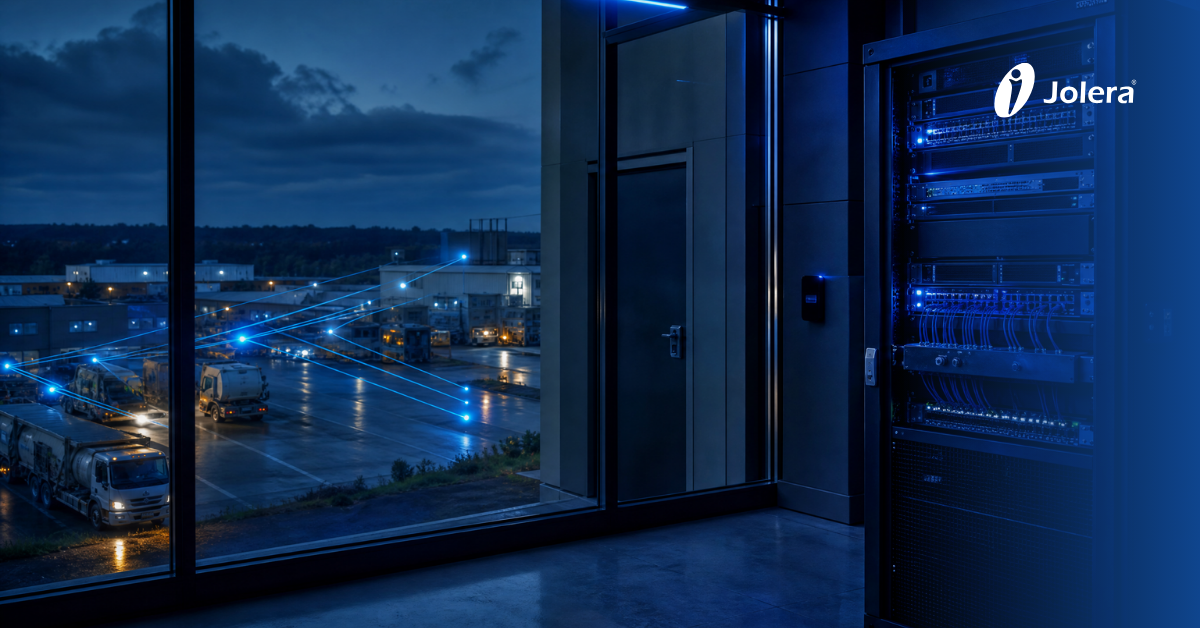
In this environment, real-time visibility is no longer a luxury but a necessity. Companies require continuous insight into every node of their supply chain—from suppliers and warehouses to transportation fleets and customer delivery points. This visibility enables rapid response to emerging risks and informed decision-making that minimizes disruption impact. AI in supply chain logistics provides the technological foundation to achieve this level of operational awareness and agility, especially when it is built on reliable Managed IT Services and continuous operational support.
The Shift from Reactive to Predictive Logistics
Historically, supply chain management operated in the rearview mirror. Managers analyzed past sales data to predict future inventory needs and reacted to disruptions only after they occurred. If a storm delayed a cargo ship, the logistics team scrambled to find alternative routes or expedite secondary shipments, often incurring massive costs and angering customers.
With predictive logistics ai, the paradigm shifts entirely. AI models ingest vast amounts of real-time data from disparate sources—including global weather patterns, port congestion reports, social media sentiment, and even geopolitical news feeds. By analyzing these complex datasets simultaneously, the AI can identify subtle patterns and correlations that human analysts would miss, forecasting potential disruptions days or even weeks before they impact the physical supply chain.
This proactive approach enables companies to anticipate challenges and implement contingency plans well in advance. Instead of firefighting operational crises, logistics teams can optimize resource allocation, adjust inventory levels, and communicate transparently with customers, thereby maintaining service levels and protecting margins.
How AI Transforms Fragmented Logistics Data into Operational Decisions
One of the greatest challenges in supply chain logistics is the fragmentation of critical data across multiple systems and stakeholders. Enterprise Resource Planning (ERP), Warehouse Management Systems (WMS), Transportation Management Systems (TMS), Internet of Things (IoT) sensors, weather services, port authorities, suppliers, and customer demand signals all generate valuable information. However, these data streams often exist in silos, limiting their collective value.
AI in supply chain logistics acts as the integrative force that consolidates and analyzes this heterogeneous data landscape. Machine learning algorithms process ERP data to understand order flows and financial constraints, while WMS and TMS inputs provide granular visibility into inventory levels and shipment statuses. IoT and sensor data offer real-time updates on asset location, temperature, and handling conditions, critical for sensitive goods.
External data sources such as weather forecasts, port congestion metrics, supplier performance indicators, and customer demand signals enrich the AI’s contextual understanding. By synthesizing these inputs, AI systems generate actionable insights that inform operational decisions—from rerouting shipments to adjusting inventory buffers and prioritizing supplier engagements.
This holistic data integration powered by AI enables a shift from isolated, manual interventions to automated, data-driven decision-making that enhances supply chain responsiveness and efficiency.
Key Applications of AI in Supply Chain Optimization
The integration of ai in supply chain logistics delivers measurable value across several critical operational areas, driving efficiency and reducing overhead.
1. Intelligent Route Optimization
For transportation and freight companies, fuel and time are the largest variable costs. Traditional routing software relies on static maps and historical traffic data. AI-powered routing engines, however, analyze real-time variables such as sudden road closures, localized weather events, and delivery window constraints. The system dynamically recalculates the most efficient path for every vehicle in the fleet, reducing fuel consumption, lowering emissions, and improving on-time delivery rates. This level of dynamic adjustment is a core component of modern supply chain optimization ai.
2. Precision Inventory Management
Carrying excess inventory ties up vital capital, while stockouts result in lost sales and damaged brand reputation. AI revolutionizes demand forecasting by moving beyond simple historical averages. Machine learning models analyze seasonal trends, upcoming promotional campaigns, local economic indicators, and even localized weather forecasts to predict demand with granular accuracy. This allows companies to maintain lean inventories while ensuring product availability exactly where and when it is needed.
3. Supplier Risk Assessment
A supply chain is only as strong as its weakest link. AI tools can continuously monitor the health and stability of the entire vendor ecosystem. By analyzing financial reports, news sentiment, and historical performance data, the AI can flag suppliers who are at high risk of defaulting or delaying shipments. This early warning system allows procurement teams to proactively source alternative materials or renegotiate contracts before a crisis occurs.
4. Scenario Planning and Decision Automation
Beyond forecasting, AI enables sophisticated scenario planning by simulating the impact of various disruptions—such as port strikes, raw material shortages, or sudden demand surges—on supply chain performance. These simulations help decision-makers evaluate alternative strategies and select the optimal course of action. Furthermore, AI-driven decision automation can execute predefined responses autonomously, such as rerouting shipments or adjusting order quantities, accelerating response times and reducing human error.
Business Benefits of AI-Driven Supply Chain Logistics
Adopting AI in supply chain logistics delivers transformative benefits that extend beyond operational improvements.
Resilience: AI enhances supply chain resilience by providing early warnings of disruptions and enabling rapid, informed responses. This reduces downtime and mitigates the ripple effects of shocks across the network.
Cost Control: Intelligent route optimization and precision inventory management reduce fuel consumption, storage costs, and waste, directly improving the bottom line.
Customer Experience: Predictive insights and real-time visibility allow companies to meet delivery promises consistently, improving customer satisfaction and loyalty.
Sustainability: Optimized logistics operations reduce carbon emissions through efficient routing and inventory practices, supporting corporate sustainability goals.
Competitive Advantage: Organizations that leverage AI gain a strategic edge by operating more agile, transparent, and responsive supply chains, positioning themselves as preferred partners in increasingly complex markets.
Strengthening Cybersecurity in AI-Enabled Logistics
As supply chains become increasingly digitized and reliant on AI, they also become prime targets for cyberattacks. The vast amounts of data flowing between sensors, cloud platforms, and third-party vendors create a massive attack surface. If an attacker compromises the AI routing algorithm or manipulates inventory data, they can paralyze operations on a global scale.
Therefore, deploying AI in logistics must be accompanied by robust security measures. Protecting the integrity of the data feeding the AI models is paramount. This involves implementing stringent data governance policies that define access controls, data quality standards, and audit trails.
Third-party access must be carefully managed through contractual agreements and technical safeguards such as multi-factor authentication and role-based permissions. Cloud infrastructure security is critical, requiring encryption of data at rest and in transit, secure API integrations, and compliance with industry standards and regulations.
Continuous monitoring through advanced cybersecurity solutions helps identify anomalies and potential breaches in real time. Incident response plans and business continuity strategies ensure rapid recovery from cyber incidents, minimizing operational disruption.
By embedding cybersecurity into every layer of AI-enabled logistics infrastructure, organizations safeguard not only their data but also their operational reliability and reputation.
How Companies Should Begin Their AI Logistics Journey
Implementing AI in supply chain logistics is a strategic endeavor that requires careful planning and execution.
The first step is conducting a comprehensive data audit to assess the quality, availability, and accessibility of existing data sources. Understanding data gaps and inconsistencies informs the design of an effective AI solution.
Next, companies must evaluate their IT infrastructure readiness, ensuring they have the necessary computing power, network capabilities, and security frameworks to support AI workloads.
Starting with a small pilot project allows organizations to validate AI models on a limited scale, measure impact, and identify integration challenges without disrupting core operations.
Integration with existing ERP, WMS, and TMS platforms is crucial to enable seamless data flow and operational execution. Establishing clear Key Performance Indicators (KPIs) aligned with business objectives facilitates ongoing performance measurement and continuous improvement.
Finally, successful pilots should be scaled thoughtfully across the supply chain, accompanied by change management initiatives to ensure user adoption and maximize return on investment.
Conclusion
The implementation of artificial intelligence supply chain technologies is no longer a futuristic concept; it is a competitive necessity. Companies that continue to rely on manual processes and reactive strategies will struggle to survive the next major global disruption.
By embracing AI, organizations can transform their supply chains from vulnerable cost centers into resilient, agile, and strategic assets. The ability to predict disruptions, optimize operations in real-time, and adapt to changing market conditions is the ultimate advantage in modern logistics.
Ready to Optimize Your Technology Infrastructure?
To support advanced AI logistics, you need a robust, secure, and scalable IT foundation. Discover how Jolera’s Managed IT Services can power your digital transformation.